AI Agent Developer
Hi, 我是

Flora You.

尤钰菁 · You Yujing

从软件测试到嵌入式软件开发,再到 Agent 开发
—— 追求更好的自己,我一直在路上 Be a builder, learn in public.
小红书技术分享赞藏已超 15,000+

期待与你一起同行!
尤钰菁在 Scania 主持团队工作
3年
Scania 企业级研发
3个
独立完成的 Agent 项目
2次
0→1 初创团队经历
15k+
小红书技术内容获赞收藏
About

关于我

拥有近 3 年 Scania R&D 工作经验的软件工程师,专注于生产级嵌入式系统与 AI 工程工具开发。曾参与中国研发中心 0→1 建设,负责量产车载中间件研发,并设计开发面向高性能团队的 RAG 知识库助手,持续提升团队工程效率与知识沉淀能力。

近期独立完成 3 个 AI Agent 项目,其中 Start From JD 已部署上线、公开可用。 具备复杂业务系统的分析与设计经验,具备端到端交付能力,熟练掌握拥有 Claude Code 等 AI Coding Agent 容器化部署的实战经验,深入理解AI Agent技术栈,能够构建可扩展的智能体系统。

西交利物浦大学应用信息学硕士,拥有国际化视野,习惯快节奏和跨职能协作。
Quick ID

  • 当前方向AI Agent / LLM 应用开发
  • 技术主线Python · LangGraph · TypeScript
  • 前一职业嵌入式 C++(车载中间件)
  • 学历西浦应用信息学硕士(全英文)
  • 工作语言中文 · 英文
  • 小红书AI知识类博主
  • GitHubYouFlora
Moments

高光时刻

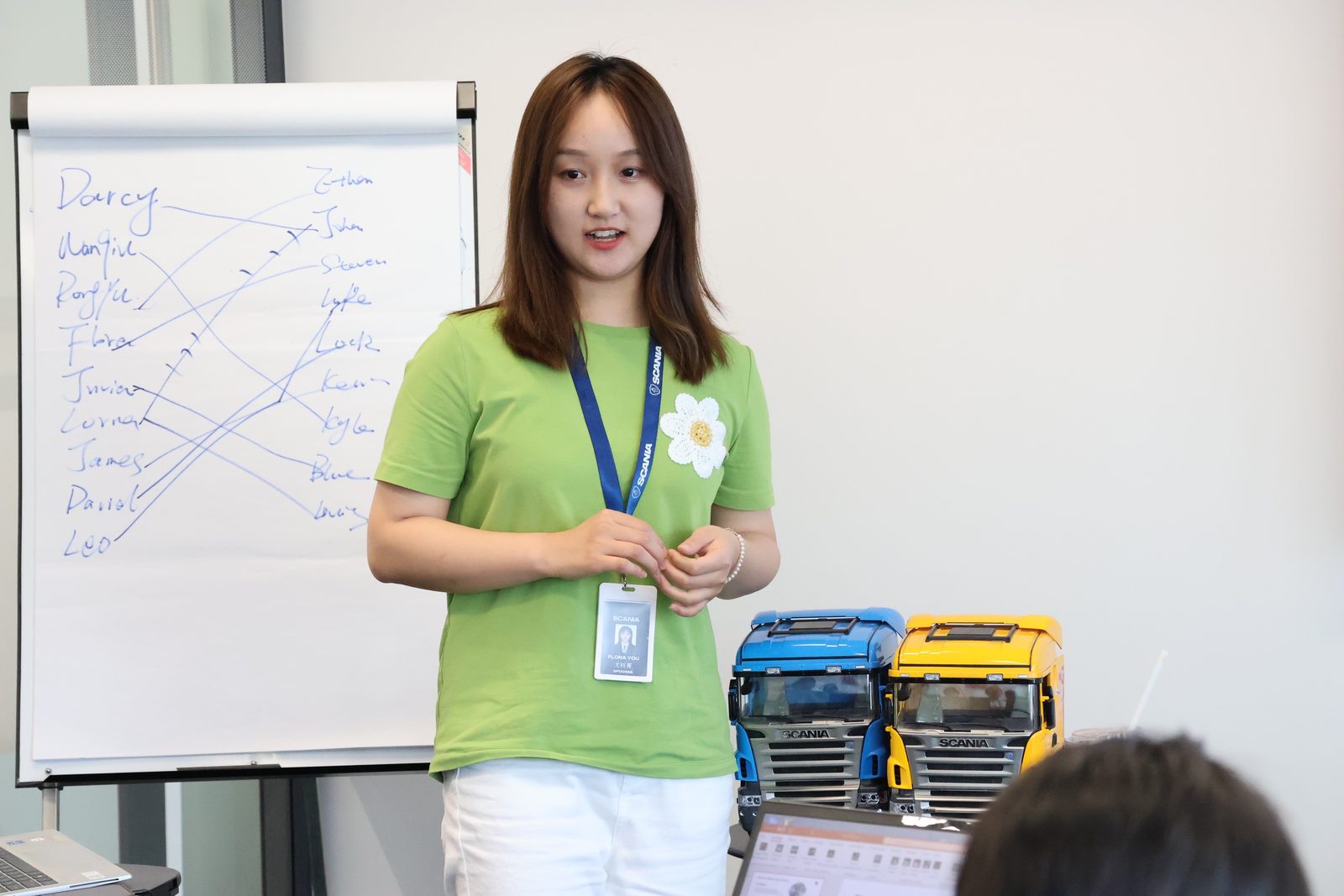
Scania 工作坊
在 Scania 主持团队工作
硕士毕业典礼
硕士毕业典礼 · 西浦
黑客松现场
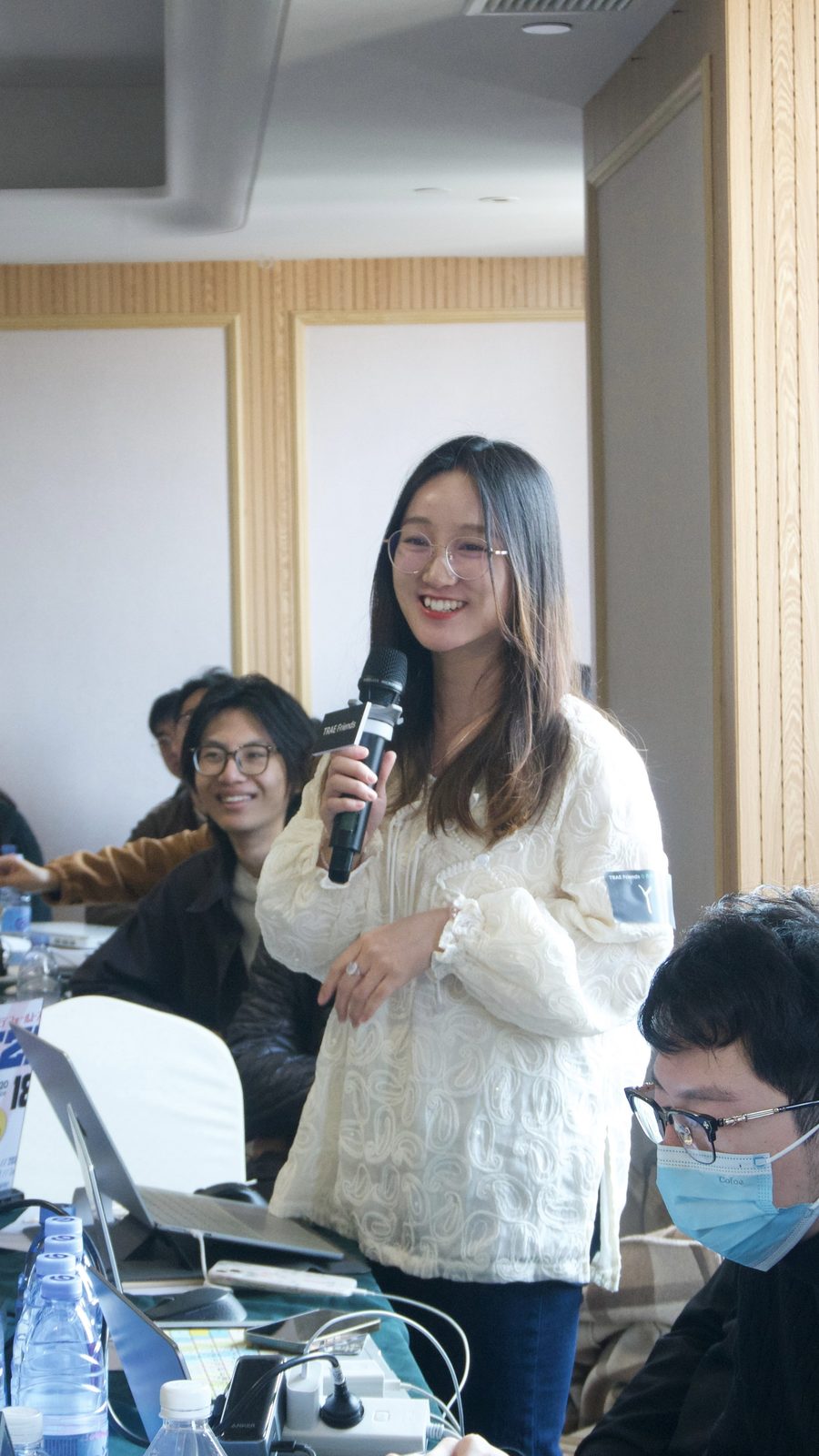
黑客松现场交流
黑客松路演
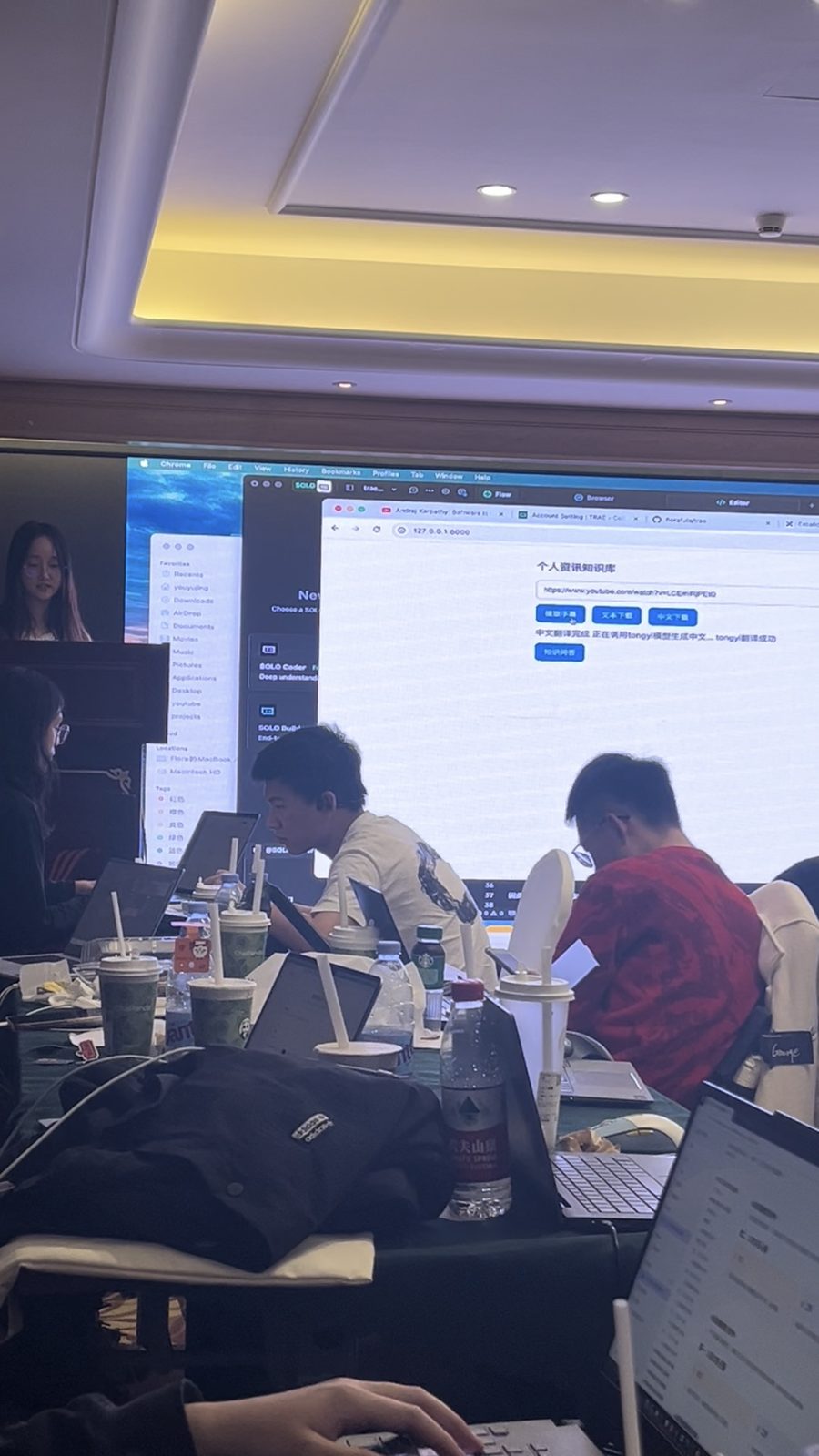
黑客松路演 Demo
Experience

工作与教育

2023.05 — 2025.12

应用开发工程师

斯堪尼亚研发(江苏)有限公司 上海分公司
  • 作为中国研发分支 0→1 创建期的早期工程师之一,参与大型车载系统工程,从零参与搭建仪表盘中间件,将车载数据传递到安卓与GUI端,成功实现国产DDU软件的研发与落地。
  • 设计并实现面向团队的知识库AI问答助手,服务 52 位核心高价值用户,累计沉淀专业文档 2312 篇、精萃 QA 知识 1137 条、结构化词条 1250 条,打通部门内部知识孤岛。
可迁移到 Agent 工程 复杂系统分析与设计接口 / 工具集成需求→可靠流程拆解端到端交付英文跨职能协作
2021.09 — 2023.04

应用信息学硕士

西交利物浦大学 · 中外合办,全英文授课
2019.07 — 2020.07

软件测试工程师

追觅科技 · 初创期入职
  • 公司初创期入职,为 6 款消费类硬件产品设计并执行从研发到上市全周期测试用例;将对产品边界与极端场景的探测沉淀为可复用的测试方法,现迁移用于 LLM / Agent 能力的探索与评估。
可迁移到 Agent 工程 可复用评估方法论边界 / 极端场景测试回归用例集失败模式定位质量基线把控
2015.09 — 2019.06

物联网工程学士

金陵科技学院
Projects

项目经历

01

Coding Agent Runtime 原型

个人 AI 项目 · 2026-01 – 2026-06
  • 针对 Coding Agent 在真实软件开发场景中常见的问题——工具误用、上下文溢出、长任务中断、过度授权的危险命令——独立设计并实现了一个 Coding Agent Runtime 原型
  • 基于 LangGraph 构建单主 Agent 驱动的 ReAct 执行循环,支持子 Agent 委派处理复杂子任务,在隔离上下文 / git worktree 文件隔离中执行,返回摘要与变更 patch 供审阅
  • 设计多阶段"静态前缀 + 动态后缀"上下文组装以命中 prompt 缓存并降低成本;上下文接近窗口上限时触发自动压缩,保留任务目标、关键文件与待办事项
  • 对高风险操作实行分级审批,子 Agent 继承父 Agent 的权限边界(只收紧不放宽);通过步数限制、重试退避、检查点恢复与事件日志处理工具失败、上下文溢出、用户中断与无限循环等异常
  • 建立离线评估与回放,覆盖代码检索 / Bug 修复 / 编辑 / 命令执行 / 多轮调用 / 子 Agent 委派 / 异常恢复等场景,所有指标(完成率、工具成功率、token 成本等)从事件流自动聚合
Python · LangGraph · Agent Runtime 源码 →
架构搭建动画 · M1 → M8 逐层构建
02

Start From JD

已上线 · 公开可用
  • 反向 SOP 的 ATS 简历助手:用核实过的经历匹配任意 JD,生成 ATS 友好的单页简历
  • 5 步 LLM 流水线 + Zod schema 校验;带错误反馈注入的自动重试,稳住免费档模型的结构化输出
  • system prompt 与 schema 双层 anti-fabrication 约束:宁可裁剪、绝不编造
  • BYOK 架构:用户 API key 仅存浏览器本地,服务端零持久化
Next.js 14 · TypeScript · Zod · Cloudflare 在线体验 → 源码 →
使用教程 小红书 1000+ 赞藏 视频演示 →
03

YouTube Transcript Agent

黑客松产品 · 开源
  • 起因很简单:想跟上最新资讯,又不想看完一整集长视频——于是做了它
  • 会自主规划的 Agent:classify → key points → generate → critique 逐步把长字幕变成一篇能读的文章
  • 中英双语、浏览器实时进度、Markdown 导出;每次运行都留有完整推理 trace
Python · LLM Agent · Planner 源码 →
长视频 → 5 分钟读物 · 真实样例
Andrej Karpathy 演讲视频 35:00
Andrej Karpathy 演讲 · 英文 · YouTube ↗
约 4,300 词,完整看完要 35 分钟
从「感到落后」到软件 3.0:
Andrej Karpathy 谈智能体编程
Summary  去年十二月起最新模型生成的代码「就是对的」,他几乎不再纠错,也第一次「感到落后」。由此引出「软件 3.0」:编程从写代码变成写提示词,上下文窗口成为操控 LLM 的杠杆……
软件 3.0 范式可验证性参差智能 vibe coding vs agentic全文 6 节 / 8 个要点
≈ 5 分钟读完 · 把 35 分钟演讲浓缩成一篇
工作流

Vibe Coding 实操

为了更有效率地进行Vibe Coding,我打磨了一套固定的Workflow。目标很简单:每次开始一个项目,都不用重新想「下一步该做什么」,从需求、MVP、切分任务,到验证、Demo、评估和 Observability,都有对应的 Prompt 可以直接使用,供大家参考。

01 明确需求 澄清

在动手写代码之前,先把要做什么搞清楚。挖出模糊需求,设定可量化的成功指标,划清 MVP 与锦上添花的边界。

› 提示词You are a senior AI-native software engineer. Given this problem: [your problem here] Help me: 1. Identify ambiguous requirements 2. List clarifying questions 3. Define success criteria (include 1-2 measurable eval metrics I can verify against) 4. Separate MVP vs Nice-to-have 5. Estimate what can realistically be built in a 45-minute interview If an answer is not available, state explicit assumptions and move on. Keep answers concise.
02 设计工作流 架构

设计最精简的端到端工作流:组件、数据流、API、依赖——用 ASCII 图表示。目标:5–10 分钟内跑起来一个可用版本。

› 提示词Design the thinnest end-to-end workflow for this problem. Output: - components - data flow - APIs - dependencies Use simple ASCII diagrams. Optimize for getting a working version running in 5-10 minutes.
03 搭建 MVP 骨架 交付

定义单一黄金路径,生成最小可运行骨架。打包前先冒烟测试——骨架必须能真正跑起来才算。

› 提示词 — MVP 骨架Define the golden path (the single main success scenario) and a minimal runnable skeleton. Requirements: - describe the MVP scope first (what's in / what's out) - produce only an end-to-end runnable skeleton — wiring, not feature code - mock external systems if needed - no premature abstractions - no authentication - no database unless required - if the solution includes a frontend page, make it runnable in a browser and provide the URL/opening step Goal: a skeleton that runs end-to-end; real feature code comes per-slice next. Smoke test before delivery: - after producing the skeleton, actually RUN it and exercise the golden path ONCE - show the real stdout / curl response / what you observed — do NOT infer from reading code - happy path only; just prove the skeleton boots and returns a response end-to-end - if it doesn't run: minimal fix (max 1-2 iterations), then re-run; if still broken, stop and report Gate: do NOT proceed to the GIT step until the skeleton has booted and answered the golden path once for real.
› MVP 完成后 — Git 存档
You are operating in a new local directory with completed MVP code. No git repository exists yet. Perform git setup only: 1. git init 2. git add . 3. git commit -m "mvp skeleton" 4. create annotated tag v0-mvp with message "MVP skeleton baseline" Constraints: do not modify source files · no extra commits · no remote push
04 拆分切片 规划

把 MVP 拆成纵向切片——每片独立可运行、有可见用户价值、可演示、10 分钟内可实现。避免按层拆分。

› 提示词Break the MVP into vertical slices. Each slice must: - be independently runnable - provide visible user value - be demoable - take less than 10 minutes to implement Avoid splitting by layers (frontend/backend/database). Prefer end-to-end slices.
05 编写切片代码 实现

每次只实现一个切片。最小 diff,不重构无关文件,不讨论设计——只要能跑的代码变更。

› 提示词 — 将 N 替换为切片编号Implement only Slice N. Constraints: - for Slice 1, scaffold minimally; from Slice 2 on, modify existing code only - do not refactor unrelated files - keep diff minimal - return code changes only - assumptions only if strictly required for implementation (no design discussion)
06 运行、验证 验证

真正执行切片——不靠读代码推断。打印测试用例表,给出 PASS/FAIL,再生成演示卡片。

› 提示词 — 将 N 替换为切片编号Run and verify Slice N now — actually execute, do NOT infer from reading code. Pick the verification that fits this slice and actually DO it: - backend / CLI / script / API → run the command, show real stdout/stderr or curl response - web page / UI → actually open the page, walk this slice's flow, observe the result If it fails: perform minimal fix (max 1–2 iterations). If still failing, stop and report. Before giving PASS/FAIL, PRINT the test cases you actually ran: | # | input / action | expected | actual (real output / observed) | pass? | At least 1 case for the happy path; add an edge case only if cheap. Then give overall PASS / FAIL. Gate: a slice isn't "done" without printed test cases backed by a real execution. Demo card (for presenting to the interviewer): - what this slice added (one line) - how to demo it: where to open / what to type (exact input) / what I'll see Only list what actually passed; if it didn't run, leave it out.
› 切片完成后 — Git 打标签
You have just finished implementing Slice N. (change N to the actual number) Now perform git tagging only. Actions allowed: - create annotated tag v0.N-slice on current HEAD - message: "Slice N completed" Constraints: do NOT modify source code · no new commits · no remote push · only git tag command
07 演示交付 演示

把所有通过验证的切片汇总成一份可现场朗读的 DEMO.md——功能列表、启动命令、有序演示路线,并标注未通过的功能。

› 提示词I'm about to demo this app to the interviewer, but I haven't tracked slice by slice what you built. Consolidate every slice that is done AND actually passed in step 6 into a single demo script I can read off and click through end to end. Write the whole script to DEMO.md. It must contain: 1. Feature list: one line per completed slice — what it added + which file holds the code. 2. How to start: one command to boot the server + the URL to open. 3. Demo route (ordered for presentation), each step gives: - action: which URL / where to type / what to type (quote it exactly) / which button - what I'll see: what actually appears on screen (one line) - what to say: one line I can say to the interviewer 4. Flag anything broken: if a slice didn't pass, call it out — don't let me demo a broken feature live. Only describe features that were actually built and verified; do not put unimplemented work in the demo route. When done, save/overwrite DEMO.md and tell me its path and how to open it.
08 评估设计 评估

为 AI 工作流设计轻量级评估策略:5 个测试用例、预期行为、失败模式与指标——面试规模,够用即可。
› 提示词Given this AI workflow: [paste architecture] Design a lightweight evaluation strategy. Include: - 5 test cases - expected behavior - failure modes - metrics Keep it interview-sized.
Skills

技能

Agent

  • LangGraph
  • LangChain
  • ReAct
  • MCP
  • BERT fine-tuning
  • Prompt / Context Engineering

AI-Native Dev

  • Claude Code
  • Codex
  • Cursor
  • Multi-model routing
  • OpenRouter cost optimization

Web / Infra

  • Next.js
  • React
  • Docker
  • Cloudflare Pages
  • RESTful API
  • Git

编程语言

  • Python
  • TypeScript / JavaScript
  • C++

嵌入式 / 系统

  • QNX
  • AUTOSAR Adaptive
  • SOME/IP
  • Vector DaVinci